01
Uitbreiding van branchekennis
Shaoxing Yiqiang Electric Appliance Technology Co.,Ltd.
A medical infrared thermometer works by measuring the infrared energy emitted by the body to determine its temperature. Here's how it works:
Infrared Detection: The thermometer uses an infrared sensor to detect the infrared energy radiating from the body. This energy is a form of electromagnetic radiation emitted by all objects with a temperature above absolute zero.
Optics: The infrared sensor is equipped with a lens that focuses the infrared radiation onto a detector. The lens helps to collect and concentrate the infrared energy from the target area, such as the forehead or ear.
Detector and Converter: The infrared detector within the thermometer receives the focused infrared energy and converts it into an electrical signal. The electrical signal is then processed and converted into a temperature reading by the thermometer's internal components.
Calibration: Medical infrared thermometers are typically calibrated to account for various factors, such as the distance between the thermometer and the body, ambient temperature, and other environmental conditions. This calibration ensures accurate temperature measurements.
Display: The temperature reading is displayed on the thermometer's screen, usually in degrees Fahrenheit or Celsius. Some thermometers may also provide additional features like memory storage for multiple readings or a fever indicator.
Non-Contact Measurement: One of the advantages of a medical infrared thermometer is that it can measure body temperature without direct contact with the skin. This makes it hygienic and suitable for quick and convenient temperature checks, especially in clinical settings or when monitoring multiple individuals.
Using a medical infrared thermometer offers several benefits, especially in healthcare settings or for personal home use. Here are some key advantages:
Non-Contact Measurement: Medical infrared thermometers allow for non-contact temperature measurement, which means they can measure body temperature without direct contact with the skin. This feature is particularly useful when dealing with individuals who may be sensitive to touch or when practicing infection control measures.
Hygienic and Safe: Since a medical infrared thermometer doesn't require physical contact, it reduces the risk of cross-contamination between individuals. It is suitable for use in hospitals, clinics, schools, and other public settings where maintaining hygiene and preventing the spread of germs is essential.
Quick and Convenient: Infrared thermometers provide rapid temperature readings within seconds, allowing for efficient screening and monitoring of individuals. This makes them ideal for situations where quick and frequent temperature checks are necessary, such as during outbreaks or in busy healthcare environments.
Suitable for All Age Groups: Medical infrared thermometers can be used on individuals of all age groups, including infants, children, adults, and the elderly. They offer a safe and reliable method of measuring body temperature across different populations.
Versatile Usage: In addition to measuring body temperature, some medical infrared thermometers offer the option to measure ambient temperature, surface temperature, or even the temperature of liquids. This versatility allows for a wider range of applications beyond just human body temperature measurement.
Accuracy and Consistency: Medical infrared thermometers are designed to provide accurate and consistent temperature readings when used correctly. They are calibrated to account for environmental factors and variations in skin temperature, ensuring reliable measurements.
User-Friendly: Infrared thermometers are generally easy to use, with intuitive interfaces and simple operation. They often feature clear digital displays, memory storage for multiple readings, and audible alarms to indicate fever or abnormal temperature levels.
Remote Monitoring: Some medical infrared thermometers are equipped with connectivity options, such as Bluetooth or wireless capabilities, which allow temperature data to be transmitted and monitored remotely. This is particularly useful in situations where continuous temperature monitoring is required.
It's important to note that while medical infrared thermometers offer many benefits, they should be used as a screening tool and not as a definitive diagnosis for medical conditions. If you have concerns about your health or the health of others, it is always recommended to consult a healthcare professional for proper evaluation and guidance.





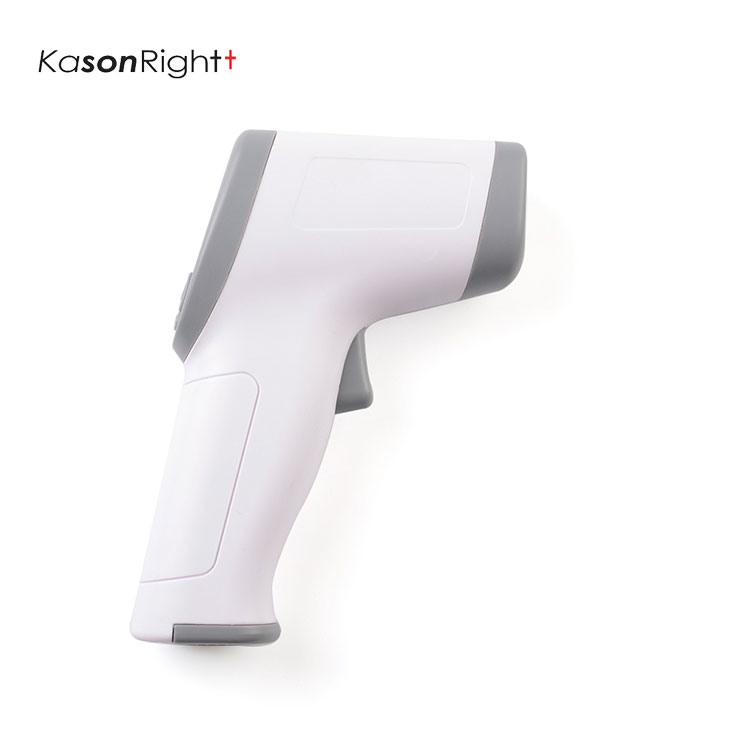 Digitale voorhoofdthermometer zonder aanraking van medische kwaliteit, alarm voor hoge temperaturen, verlicht LCD-scherm
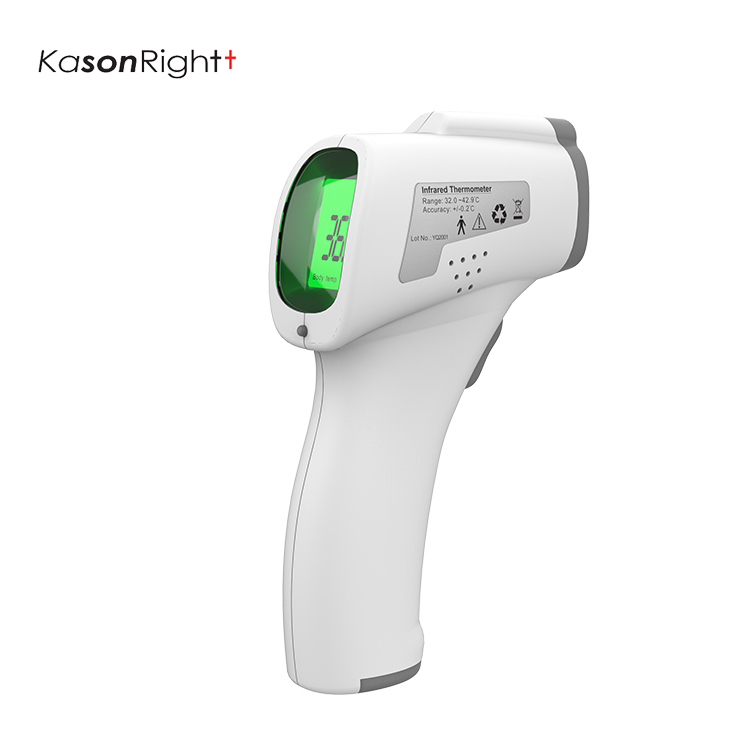 No Touch infrarood voorhoofdthermometer, digitale thermometer voor baby's, volwassenen, voorwerpen



